Where Energy Meets Intelligent Connectivity
Connecting the Grid, From Edge to Cloud
From smart grids and renewable energy systems to utility infrastructure and distributed assets, the energy sector depends on secure, resilient, and always-on connectivity. Monogoto delivers software-defined connectivity that unifies cellular, private networks, and satellite, ensuring real-time visibility, operational reliability, and scalable infrastructure across even the most remote and critical environments.
Connectivity Built for Modern Energy Infrastructure
Always-On Connectivity Across Distributed Infrastructure
Energy and utility operations span vast, remote, and often hard-to-reach environments. Monogoto’s resilient, multi-network connectivity ensures reliable operations across grids, pipelines, and remote infrastructure without network blind spots.
Real-Time Monitoring & Operational Visibility
Smart energy systems depend on continuous data from sensors, meters, and equipment. Monogoto enables real-time data flow and full observability across all connected assets, resulting in improved grid efficiency, predictive maintenance, and faster incident response.
Scalable, Simplified Deployment for the Energy Transition
As utilities expand into renewables, EV infrastructure, and distributed energy resources, connectivity must scale rapidly across regions and regulatory environments. Monogoto accelerates the rollout of smart energy systems with reduced operational complexity and infrastructure overhead.
Smart Grid & Infrastructure Monitoring
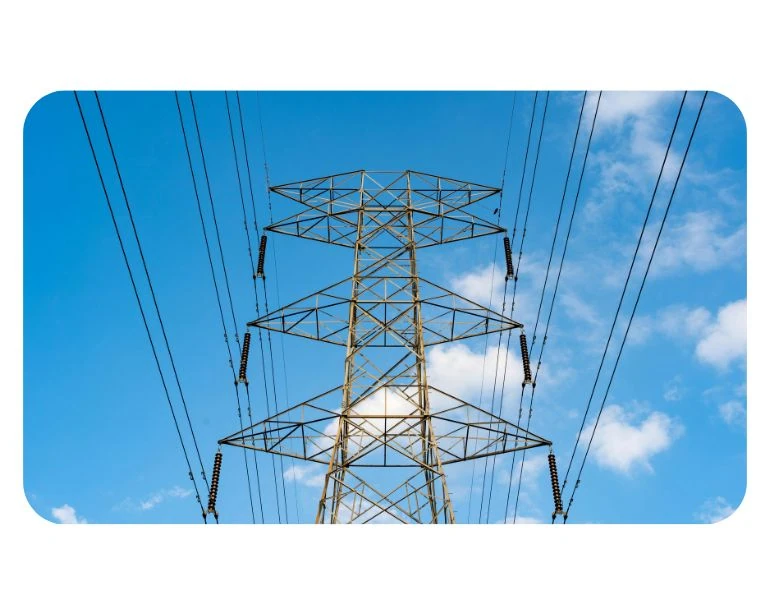
Monogoto enables continuous connectivity for smart grid systems, substations, and critical infrastructure, ensuring real-time monitoring and control across distributed networks. With resilient connectivity across remote and urban environments, utilities can detect issues faster, optimize grid performance, and maintain uninterrupted service delivery.
Renewable Energy & Distributed Assets
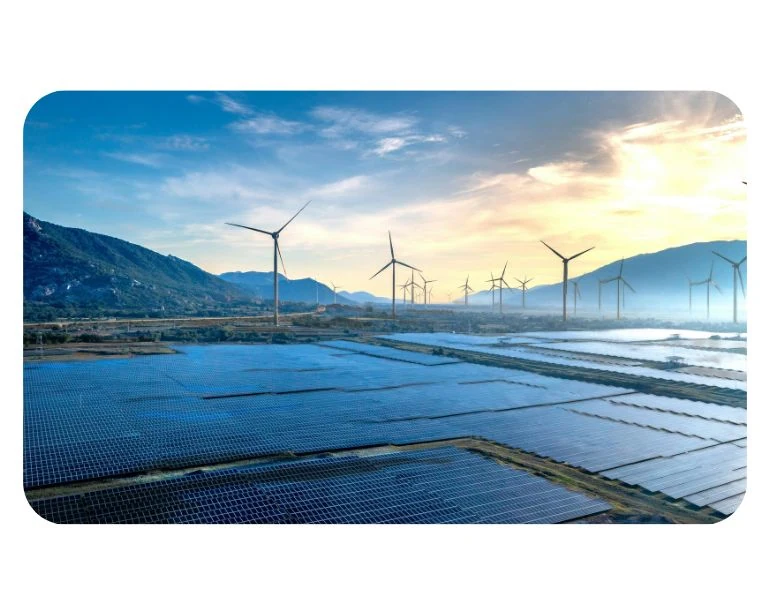
From solar farms to wind turbines and battery storage systems, Monogoto powers connectivity for renewable energy infrastructure operating in remote locations. By ensuring reliable, always-on data flow, operators can monitor performance, maximize energy output, and maintain system efficiency across distributed energy assets.
EV Charging Networks
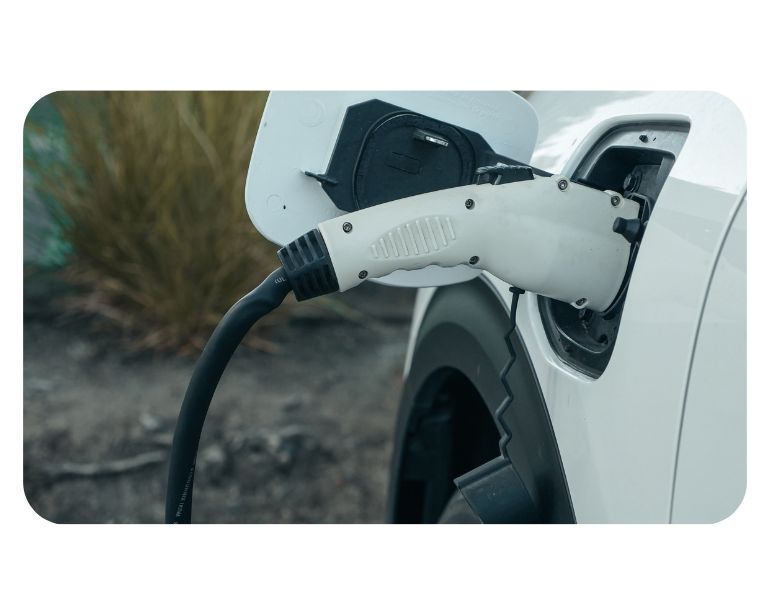
Monogoto provides secure, reliable connectivity for EV charging stations, enabling real-time status monitoring, payment processing, and remote management. With seamless connectivity across regions, operators can scale charging networks without worrying about network fragmentation or downtime.
Industrial Energy & Utility Operations
Energy companies rely on connected equipment for monitoring, automation, and predictive maintenance. Monogoto ensures reliable connectivity for industrial operations, enabling real-time data exchange and operational efficiency across plants, pipelines, and facilities.
Remote Asset Monitoring & Field Operations
Utilities often operate assets in remote or challenging environments. Monogoto enables connectivity for sensors, meters, and field equipment in these locations, ensuring visibility and control even where traditional networks are unreliable or unavailable.
Frequently Asked Questions
IoT connectivity enables utilities to connect smart meters, grid infrastructure, substations, renewable energy assets, water systems, and field equipment to centralized monitoring and control platforms.
- Connected infrastructure provides real-time operational visibility, remote management capabilities, and automated data collection across utility networks.
- Connected utilities use IoT to improve reliability, reduce operational costs, and modernize critical infrastructure.
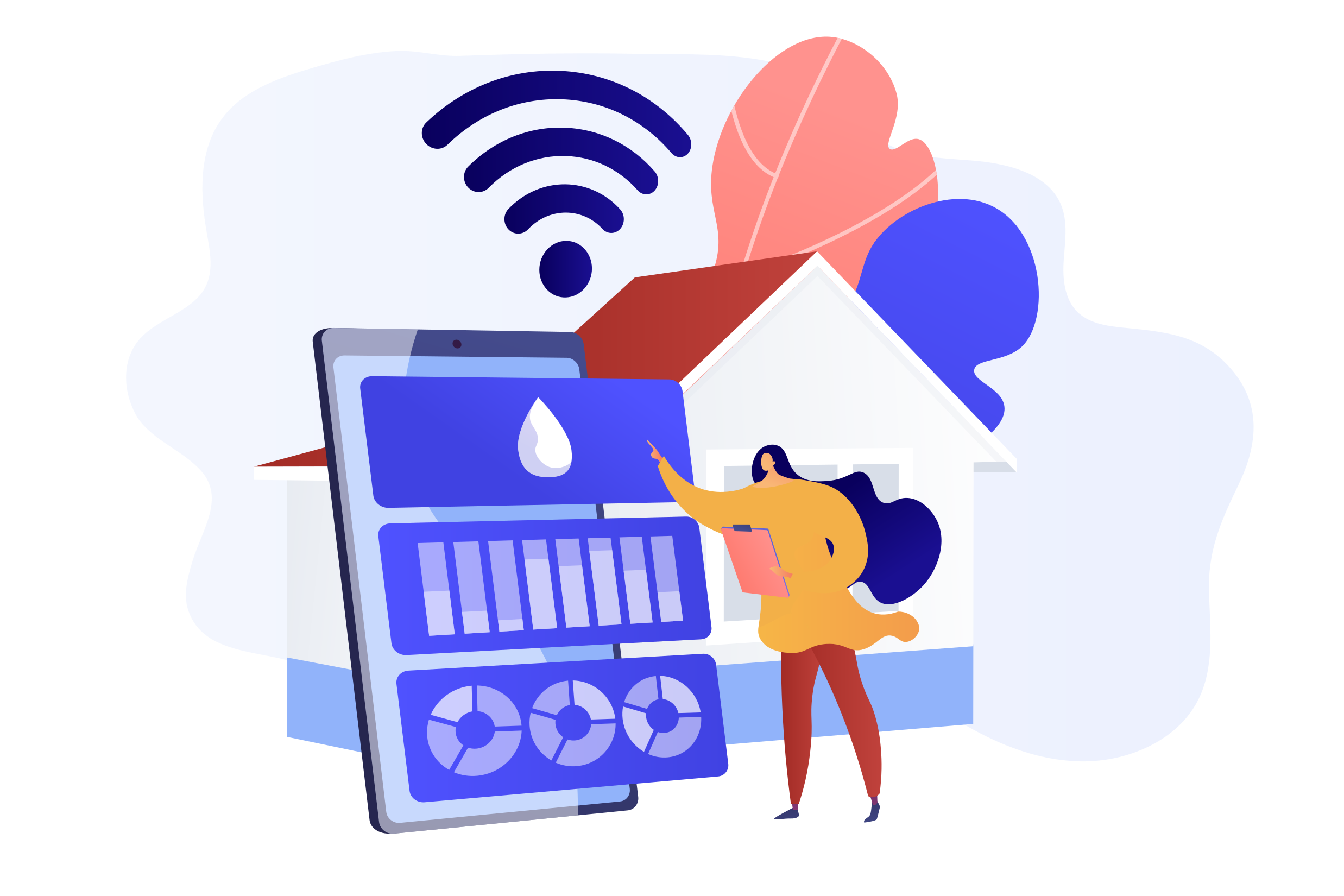
A smart meter is a connected utility meter that automatically records and transmits electricity, gas, or water consumption data to utility providers. Unlike traditional meters, smart meters eliminate manual meter readings and provide more accurate, near real-time usage information.
Smart metering helps utilities improve billing accuracy, detect outages faster, and better manage energy and water resources.
Advanced Metering Infrastructure (AMI) is a system of connected smart meters, communication networks, and management software that enables two-way communication between utilities and meters. AMI allows utilities to collect usage data remotely, identify outages, improve operational efficiency, and support modern grid management initiatives.
NB-IoT and LTE-M are widely used for smart metering because they are designed for low-power, long-life IoT deployments. These technologies support reliable connectivity, broad coverage, and efficient transmission of small amounts of meter data.
The best option depends on regional network availability, deployment requirements, and the specific utility application.
IoT technologies help monitor and manage renewable energy assets such as solar farms, wind turbines, battery storage systems, and distributed energy resources. Connected sensors provide real-time visibility into equipment performance, energy production, environmental conditions, and system health. This data helps operators improve efficiency, reduce downtime, and maximize energy output.
Large utility deployments typically use centralized connectivity and device management platforms to monitor infrastructure, manage SIM lifecycles, automate provisioning, track usage, and identify connectivity issues.
Centralized management helps utilities efficiently operate and scale deployments that may include thousands or millions of connected endpoints.
Utility infrastructure often relies on multiple layers of security, including device authentication, encrypted communications, private networking, and access controls. Secure connectivity helps protect critical infrastructure while ensuring that only authorized devices and systems can exchange operational data.
As utilities modernize their networks, security remains a critical component of digital transformation initiatives.