
Keep Every Link in the Supply Chain Connected
Deliver real-time visibility, automate logistics workflows, and keep goods moving with resilient connectivity.
From warehouse automation and cold chain logistics to global fleet operations and last-mile delivery, modern supply chains depend on secure, resilient, and always-on connectivity. Monogoto delivers software-defined connectivity that unifies cellular, private networks, and satellites across every node of the logistics network.
The Connectivity Layer Behind Smarter Logistics
Real-Time Visibility Across Every Moving Asset
Modern logistics depends on knowing where assets, goods, and equipment are at every moment. Monogoto delivers always-on connectivity for containers, trailers, and cargo across 200+ countries.
Resilient Connectivity Across Borders
Logistics networks require consistency across carriers and borders. Monogoto provides seamless connectivity across 550+ networks, with dynamic roaming and remote SIM swapping no matter where the route takes them.
Built-In Security for Distributed Operations
From warehouse robotics to cold chain sensors, logistics infrastructure is increasingly distributed and exposed. Monogoto embeds zero-trust security directly into the connectivity layer.
Real-Time Asset Tracking
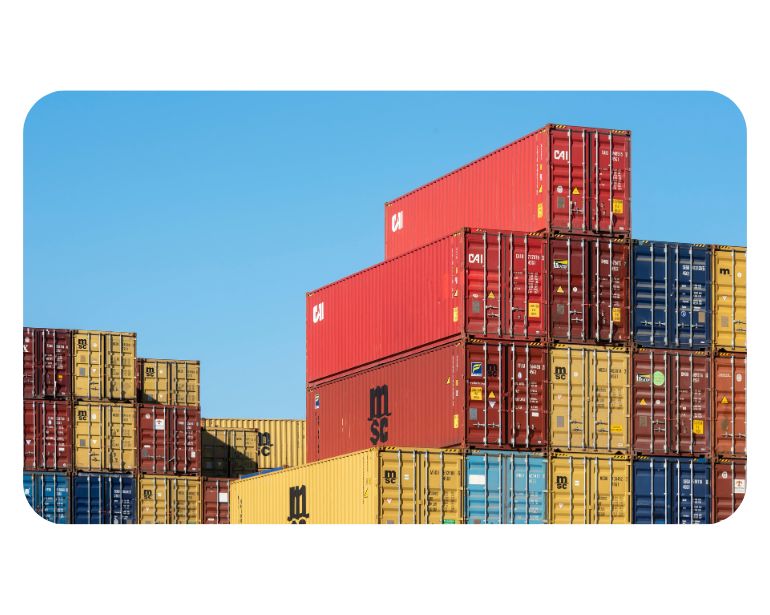
Monogoto supports continuous, reliable connectivity for containers, trailers, and high-value cargo moving across local routes and international borders. With real-time location and condition visibility, teams can reduce product loss, improve ETA accuracy, and proactively manage disruptions before they impact downstream operations.
Cold Chain Management & Quality Control
For temperature sensitive shipments such as produce and pharmaceuticals, protecting product integrity against environmental elements is critical. Monogoto enables IoT sensors to monitor critical conditions, including temperature, humidity, and storage in real-time. This helps protect product integrity and reduce the risk of spoilage across transit and storage.
Warehouse Management
From forklifts to smart shelvers and autonomous mobile robotics (AMRs), Monogoto provides cellular connectivity to turn warehouses into an intelligent operational layer. Reliable, always-on connectivity across the facility enables faster inventory flow, streamlined operations, improved dock coordination and greater operational efficiency throughout the facility.
Fleet Optimization & Route Intelligence
Monogoto powers fleet telematics, driver monitoring systems, and route optimization with secure global connectivity. Whether managing local deliveries or cross-border operations, teams gain full visibility into vehicle performance, driver behavior, and delivery timelines to improve efficiency and reduce operational costs.
Last-Mile Delivery & Smart Lockers
As e-commerce volumes rise and delivery expectations tighten, the last mile has become the most complex part of the supply chain. Monogoto powers connected lockers, parcel pickup stations, and delivery devices with secure, always-on connectivity enabling real-time status updates, secure handoffs, and seamless customer experiences without infrastructure constraints.
Frequently Asked Questions
Connected logistics uses IoT devices, sensors, and real-time connectivity to track assets, inventory, shipments, and vehicles throughout the supply chain. By connecting physical operations to digital platforms, organizations get greater visibility into the location, condition, and status of assets throughout every step of the shipping and warehousing process. Connected logistics uses IoT devices, sensors, and real-time connectivity to track assets, inventory, shipments, and vehicles throughout the supply chain. By connecting physical operations to digital platforms, organizations get greater visibility into the location, condition, and status of assets throughout every step of the shipping and warehousing process.
Connected devices provide real-time data on shipment location, temperature, humidity, and asset status. This visibility helps organizations reduce delays, improve inventory accuracy, quickly respond to supply chain disruptions, and better maintain control over global operations.
Global asset tracking requires reliable connectivity that works across carriers and borders. Multi-network IoT SIMs help maintain coverage as assets move between regions. At the same time, technologies like LTE-M and NB-IoT support everything from high-value shipments to low-power tracking applications.
Cold chain monitoring uses connected sensors to track the temperature, humidity, and product integrity of temperature-sensitive products such as pharmaceuticals, produce, and other perishable goods.
Common challenges include coverage gaps, cross-border connectivity, managing large numbers of connected devices, and maintaining predictable costs. Global IoT platforms with multi-network connectivity help simplify device management, improve visibility, and provide more resilient connectivity for worldwide operations.
Global supply chains rely on connectivity operating across multiple countries and carrier networks. Multi-network SIMs enable tracking devices to connect automatically as shipments cross borders, eliminating the need for local carrier agreements or physically replacing SIMs.
In each country a shipment passes through, a multi-network IoT SIM connects to local partner networks, ensuring that tracking continues without swapping SIMs or signing local carrier agreements. You can also apply roaming and network policies per device, with preferences for known-high-performing networks in each region and steering devices toward them as they cross a border.
Yes. Through roaming and steering policies, you can allow or block specific networks per device or per fleet. If an operator is known to deliver poor data performance (or no Cat-M/NB-IoT coverage) along a corridor, it can be added to an exclusion list, ensuring that devices do not waste time or battery connecting to it, improving reliability for cross-border shipments.
Yes. A multi-IMSI / multi-profile SIM carries several network identities that can switch between them; that way, a device uses the most cost-effective profile for the country or region it’s operating in rather than expensive roaming on a single home network. Profiles can be updated over the air, so as a fleet expands into new markets, you can optimize cost without recalling or reshipping devices.