

Connectivity is the last manual layer of enterprise infrastructure. AI is transforming every application your business runs.
But the infrastructure those applications depend on is still being managed with support tickets, manual investigations, and carrier escalations.
That’s becoming one of the biggest operational risks in enterprise IoT.
In February 2024, a network configuration error brought down AT&T’s wireless network for hours, affecting more than 125 million devices. For many enterprises, the first indication wasn’t an automated alert; it was a customer complaint.
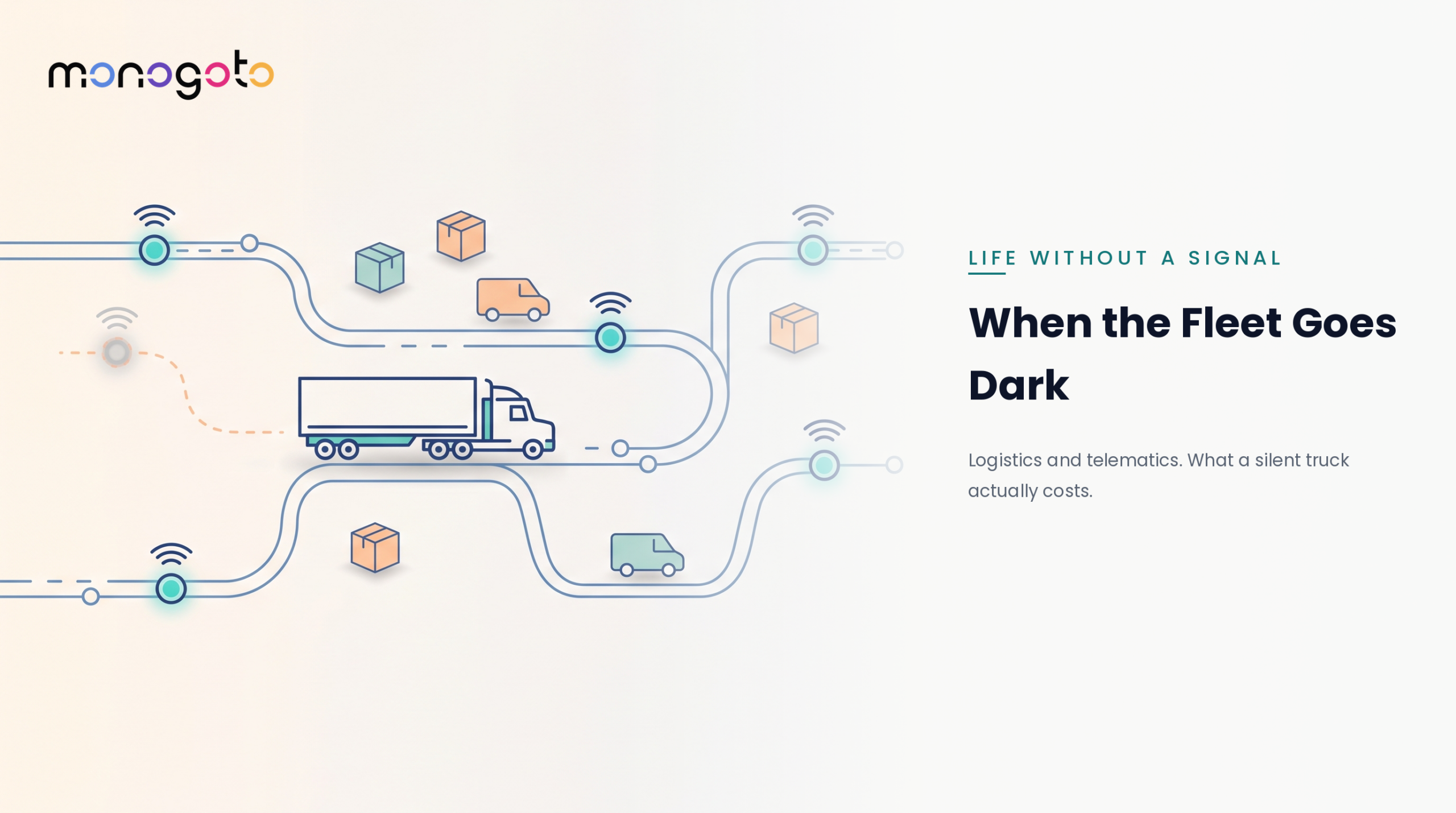
Here’s the part almost nobody talks about: for many of those fleets, working coverage from other carriers was available the entire time. The devices stayed dark anyway, because switching them required humans, tickets, escalations, carrier calls, and humans don’t move at fleet speed.
That’s not a coverage problem. It’s an operations-model problem that becomes more expensive every time your fleet grows. And it’s the subject of our new guide, Connectivity That Fixes Itself: Why Autonomous Networks Will Replace Manual Operations.
What is agentic/autonomous connectivity?
Agentic connectivity goes beyond automation. Instead of simply following predefined rules (if X happens, do Y), AI agents continuously observe network conditions, reason across multiple signals, determine the most effective response, and execute it automatically through APIs. Humans are involved only when business judgment is required, such as approving a carrier switch with cost implications.
The result isn’t simply faster troubleshooting. It’s connectivity that can detect, diagnose, and resolve many issues before they ever become customer-impacting outages.
Why the ticket model is breaking down
The math has stopped working.
- IoT deployments are growing exponentially while operations teams are not.
- Outages cost millions of dollars per hour.
- Many incidents are still discovered by customers first.
- Manual troubleshooting doesn’t scale to billions of connected devices.
Twenty years ago, we stopped provisioning servers by hand. Ten years ago, we stopped manually scaling applications. Connectivity is the last layer of the stack still operated via email, phone calls, and tickets, and that era is ending.
What’s inside the guide
Built on real-world enterprise connectivity scenarios, this guide explores:
- Why the support-ticket model is becoming obsolete for enterprise IoT
- How autonomous connectivity platforms detect and remediate failures in seconds
- The six questions AI agents continuously ask to keep fleets online
- Real-world examples of self-healing enterprise connectivity
- A maturity model to benchmark your organization’s readiness
The shift from manual connectivity operations to autonomous connectivity won’t happen overnight, but it has already begun.
Organizations that continue scaling fleets with ticket-based operations will spend more time fighting outages, more money operating them, and more engineering effort keeping pace with growth.
The question isn’t whether connectivity will become autonomous. It’s whether you’ll adopt it before your competitors do.
Frequently Asked Questions
What is the difference between network automation and agentic connectivity?
Automation executes predefined rules for anticipated failures. Agentic connectivity uses AI agents that observe live network events, reason across multiple signals to diagnose novel problems, and execute fixes through APIs, escalating to humans only for commercial or policy decisions.
Can AI really fix IoT connectivity outages without human involvement?
For technical failures with no commercial impact, like rerouting traffic around a failed backend endpoint, yes, autonomously and in seconds. For decisions with cost or policy implications, well-designed agents escalate with a recommendation and a costed impact estimate, so a human approves in one click rather than working a ticket.
Who is this guide for?
Anyone operating or scaling a cellular IoT fleet: operations and network engineering leaders who live with the ticket queue today, and executives deciding what their connectivity operations should look like as fleets grow.